
Last updated
How fast can Eau Claire Porta Pros respond to a disaster?
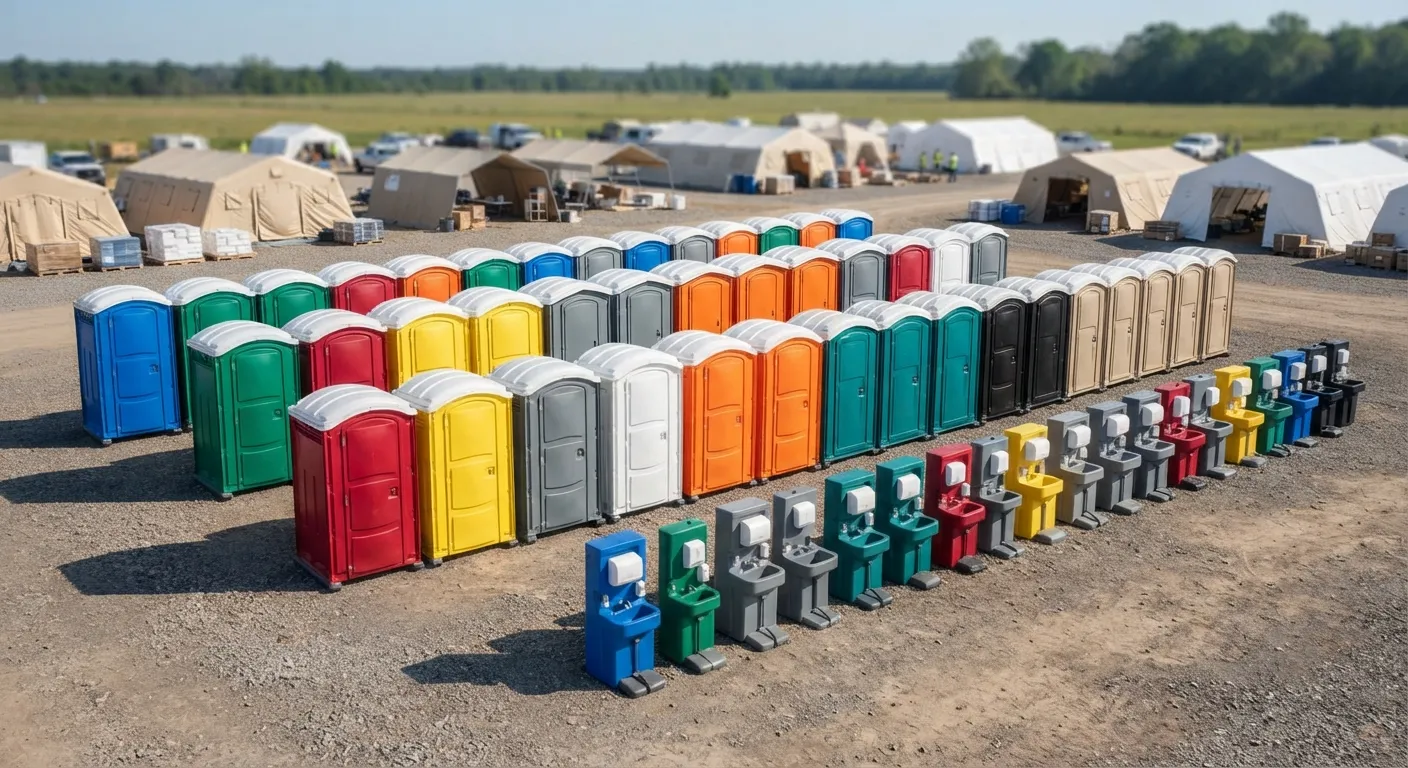
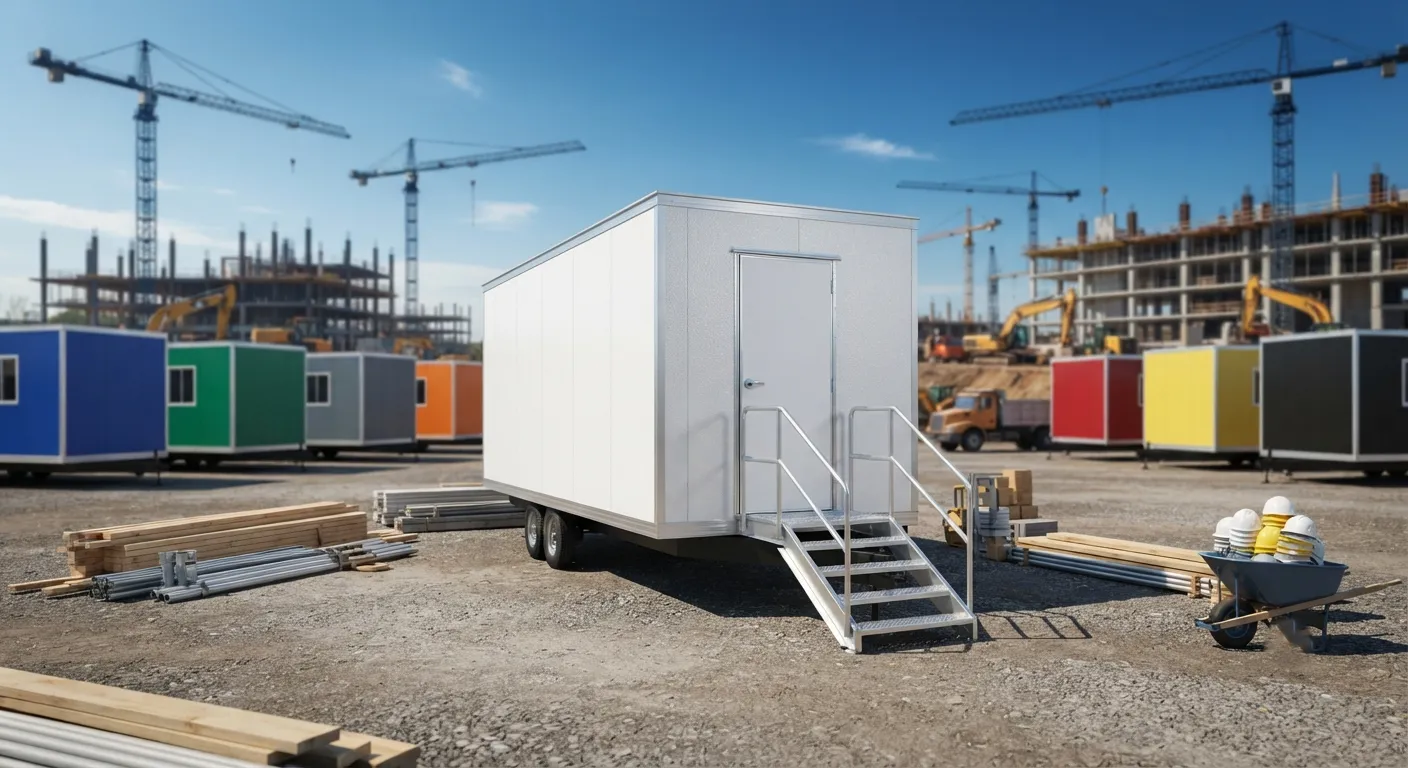
Emergency response moves faster than a standard rental because the unit is already scoped before the truck leaves the yard. A emergency porta potty rental request gets a same-day answer on availability, and delivery is usually the limiting factor: crews need roughly 60 feet of straight clearance behind the truck to place a unit safely, so a shelter with a tight parking lot or downed trees across the drive takes longer to service than an open field. For a county-wide event, coordinators sometimes pull from county fair restrooms inventory to cover the gap fast. Chippewa Falls sits 11.1 miles northeast of Eau Claire and Altoona is 5.1 miles southeast, both close enough that units get shuffled between towns during a wide outage without adding a full day to the run. If a shelter site does not have safe road access, we say so up front rather than promise a delivery window we cannot hit. Storage needs come up too: displaced households sometimes need a storage container rental or a 20ft storage container to hold salvaged belongings while a home dries out, and a mobile office trailer rental gives a command post a dry place to coordinate.
What sanitation do shelters and relief sites actually need?
A shelter running on generator power still needs the same toilet ratio a normal worksite needs: OSHA 1926.51(c) sets 1 toilet for every 20 people, stepping up as headcount grows. That standard was written for construction crews, but it is the number relief coordinators lean on when nothing else applies. Add handwashing station rental units alongside the toilets; under 29 CFR 1910.141(d)(2), a wash station needs actual soap and towels or a dryer, since hand sanitizer alone does not satisfy that rule. If floodwater has knocked out water service to a building, a portable sink rental fills that gap on its own power and water supply. Every cluster of standard units also needs an accessible one: ADA Standards 213.2 requires at least 5 percent of a cluster be accessible, never fewer than one, which matters at a shelter serving older residents or anyone using a wheelchair. Our ada-accessible-porta-potty units meet the 36 inch clear route called out in ADA Standards 403.5.1 and the 32 inch door opening in ADA Standards 404.2.3. For a longer-term shelter, a restroom trailer rental or a 4 stall restroom trailer holds up better than stand-alone units when hundreds of people are cycling through daily.
Where do units go and how are they serviced during an emergency?
Placement follows the same logic as any porta potty placement guide job, just compressed into hours. Units need level, stable ground, matching the slip-resistant surface standard in ADA Standards 302.1, and a path wide enough for the accessible unit's 60 inch turning circle under ADA Standards 304.3.1. During an extended response, service intervals shrink: the ANSI/PSAI Z4.3 baseline of one visit per week for 10 users over a 40 hour week does not hold up when a shelter is running three shifts of volunteers and displaced families around the clock, so we service daily or twice daily depending on headcount. If a septic system backed up during flooding, septic pumping service or emergency septic service can clear a tank fast, and a holding tank rental covers a building until the system is repaired. Lighting matters after dark: a light tower rental keeps the sanitation area visible, meeting the illumination expectations in OSHA 1926.56(a), and temporary power pole service can run a hand wash station where the grid is still down. Menomonie sits 24.3 miles west of Eau Claire, far enough that a regional disaster covering both towns needs units staged in more than one yard.
| unit | duration | typical price |
|---|---|---|
| standard | day | $150 |
| standard | week | $200 |
| ada | day | $230 |
| delivery_fee | day | $150 |
How many toilets does a shelter need per person?
OSHA 1926.51(c) sets the baseline: 1 toilet for 20 people or fewer, then 1 toilet and 1 urinal per 40 people once the group passes 20. A shelter housing 150 people needs roughly 4 to 5 units under that ratio, plus at least one accessible unit under ADA Standards 213.2.
Can units be delivered without street access confirmed?
Not safely. Every delivery needs about 60 feet of straight clearance behind the truck. If storm debris blocks the road, we coordinate with site staff to find another approach or a nearby drop point before committing to a time.
Do disaster relief units get serviced more than once a week?
Yes, when headcount is high. The ANSI/PSAI Z4.3 weekly baseline assumes 10 users over 40 hours; a busy shelter blows past that fast, so we schedule daily or twice-daily pumping and restocking for the duration.
Is hand sanitizer enough for a relief site?
No. 29 CFR 1910.141(d)(2) requires actual soap and a towel or drying device at a wash station. Sanitizer alone does not meet that standard, which is why we pair toilets with real handwashing station rental units.
What if our septic system fails during a flood?
Call for septic tank cleaning or emergency pumping right away. A backed-up tank in a flood zone can contaminate groundwater fast, and a temporary holding tank keeps the building usable while the system gets repaired.
Next step
Get a delivery date
Tell us the address, the dates and the headcount. We size the order and confirm the route.