Last updated
How many units do I need?
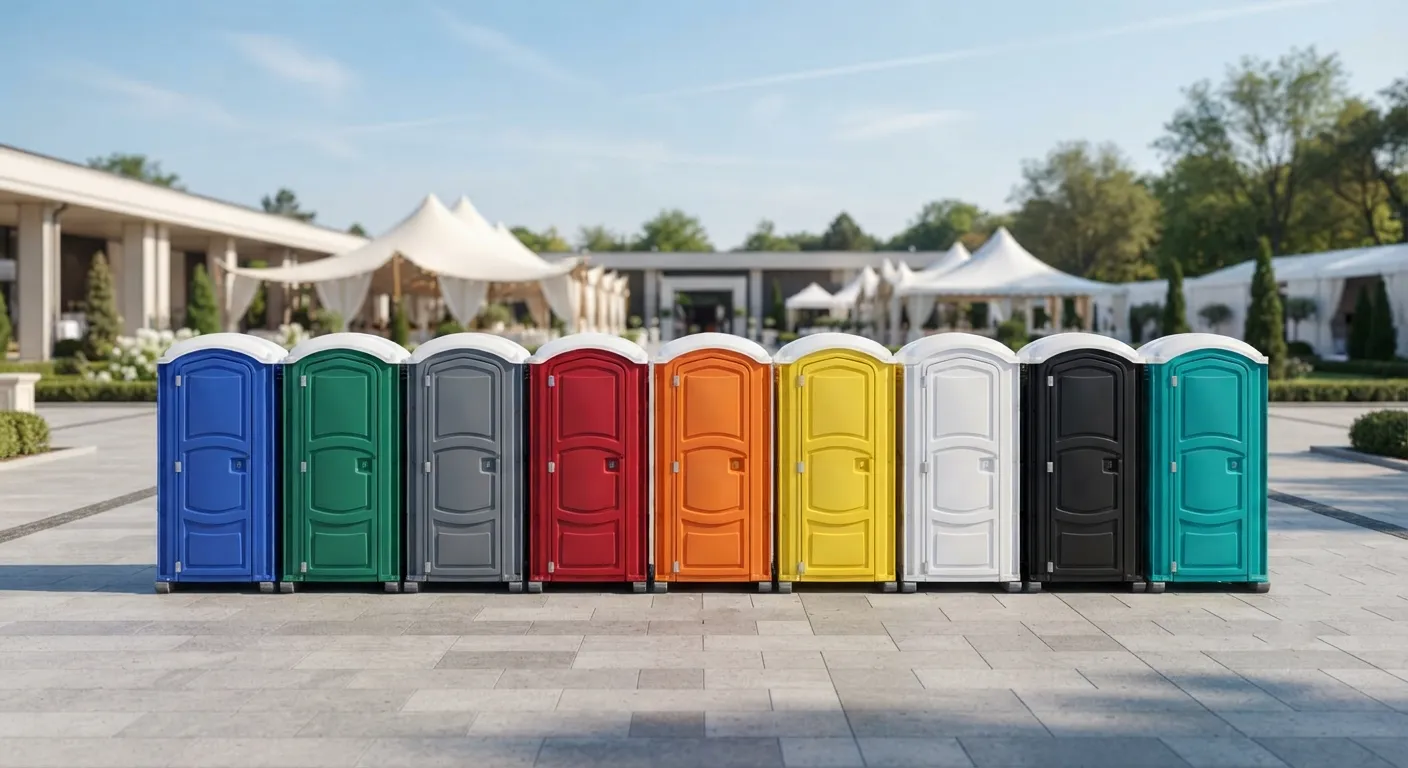
Start with headcount and hours, not guesswork. OSHA 1926.51(c) sets the baseline for construction crews: one toilet for 20 workers or fewer, then one toilet seat and one urinal per 40 workers once you pass 20, and per 50 once you hit 200. Farm operations follow a different rule under OSHA 1928.110, which calls for one facility per 20 hand-labor employees, reachable within a quarter mile walk. For a fuller breakdown by crew size and shift length, use how many porta potties do I need before you call in an order. Event planners in Eau Claire should size differently than jobsites, since guests do not tolerate a wait the way a crew will. A standard porta potty rental covers most jobsite counts, while weddings and festivals often mix in a deluxe flushable porta potty for guests. Check the OSHA portable toilet requirements page if you are staffing a union job and need documentation on hand.
What type of unit fits the job?
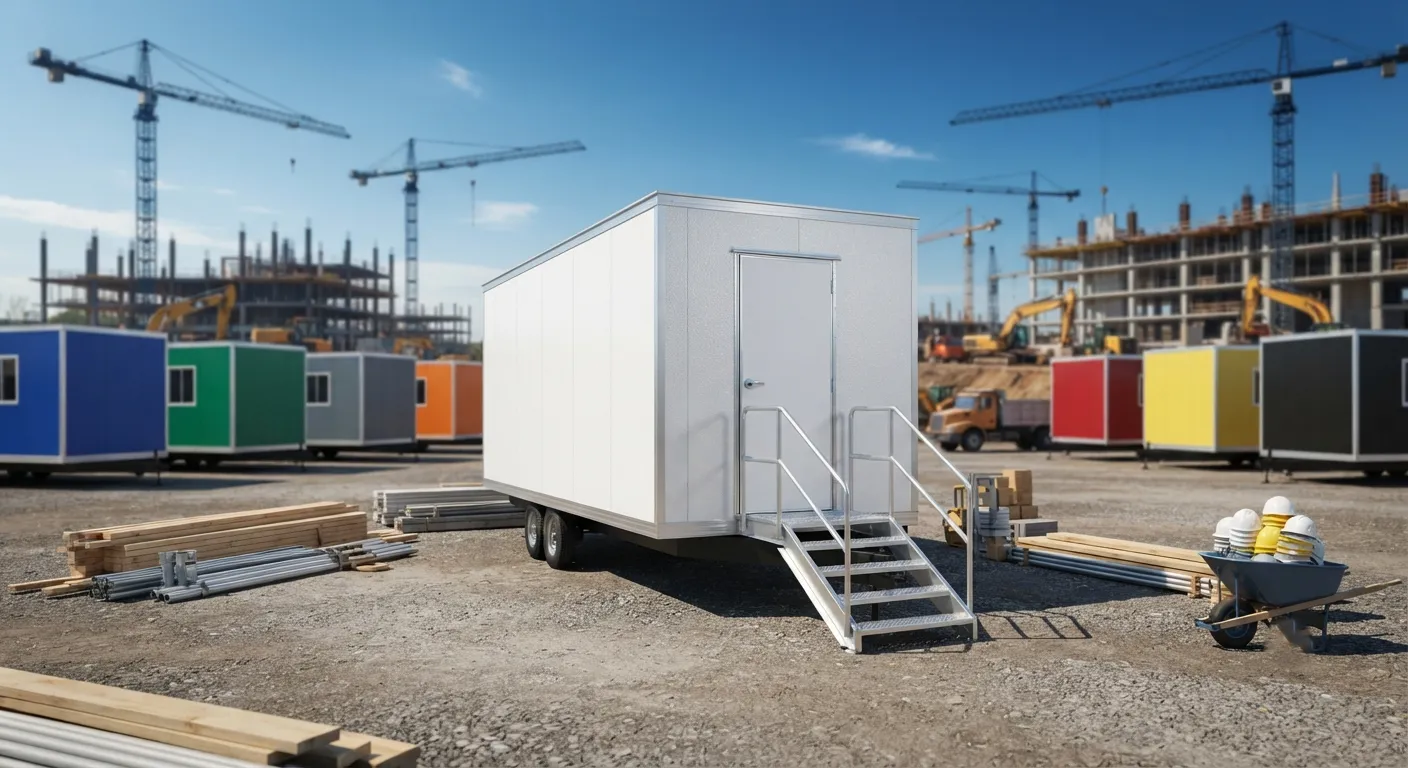
A standard unit runs about 44 by 48 inches on the ground and stands roughly 92 inches tall, with a 60 to 70 gallon holding tank, which is enough for most week-long jobsite rentals. If the crew needs a flushing unit and a sink, step up to a deluxe flushable porta potty. Every cluster of single-user units also needs an accessible option: ADA Standards section 213.2 requires at least 5 percent of clustered units to be accessible, never fewer than one, and that unit needs 36 inches of clear route width under section 403.5.1 and a 32 inch door per section 404.2.3. Order that unit through ADA accessible porta potty. For multi-day events with real crowds, a restroom trailer rental beats a bank of single units, and you can compare stall counts on the 2 stall restroom trailer, 4 stall restroom trailer, and 8 stall restroom trailer pages. Farm sites and remote lots sometimes need a holding tank rental instead of a standard tank when access is tight.
Where should the unit go?
Placement decides whether service runs smoothly for the whole rental. A roll-off truck or vacuum truck needs about 60 feet of straight clearance behind it to service a unit, so measure your driveway or lot approach before delivery day. Ground has to be stable and level, which matters for ADA units specifically: section 302.1 requires a firm, slip-resistant surface, and section 304.3.1 calls for a 60 inch turning circle at the unit. Keep the door swing clear of fences, dumpsters and parked equipment. If your job also involves a temporary fence rental or a roll-off dumpster rental, map out both footprints on the same site sketch so trucks are not blocked on service day. For guidance on distance from doors, property lines and food service areas, read the porta potty placement guide. Eau Claire sites with uneven grading or gravel lots should flag that when booking, since it changes which truck can reach the unit.
Do I need a permit for placement?
Placement in the public right of way needs confirming with the City of Eau Claire before delivery, since permit rules vary by location and were not part of what we verified here. Do not assume a driveway placement is exempt just because it is on private property. Check the porta potty permit requirements page for what to ask the city, and if the job also involves a dumpster, review dumpster permit requirements at the same time since both often go through the same office. Booking early gives you time to sort this out. If the answer comes back with restrictions, emergency porta potty rental options exist for fast turnarounds once placement is settled.
Service, water and cleanup checklist
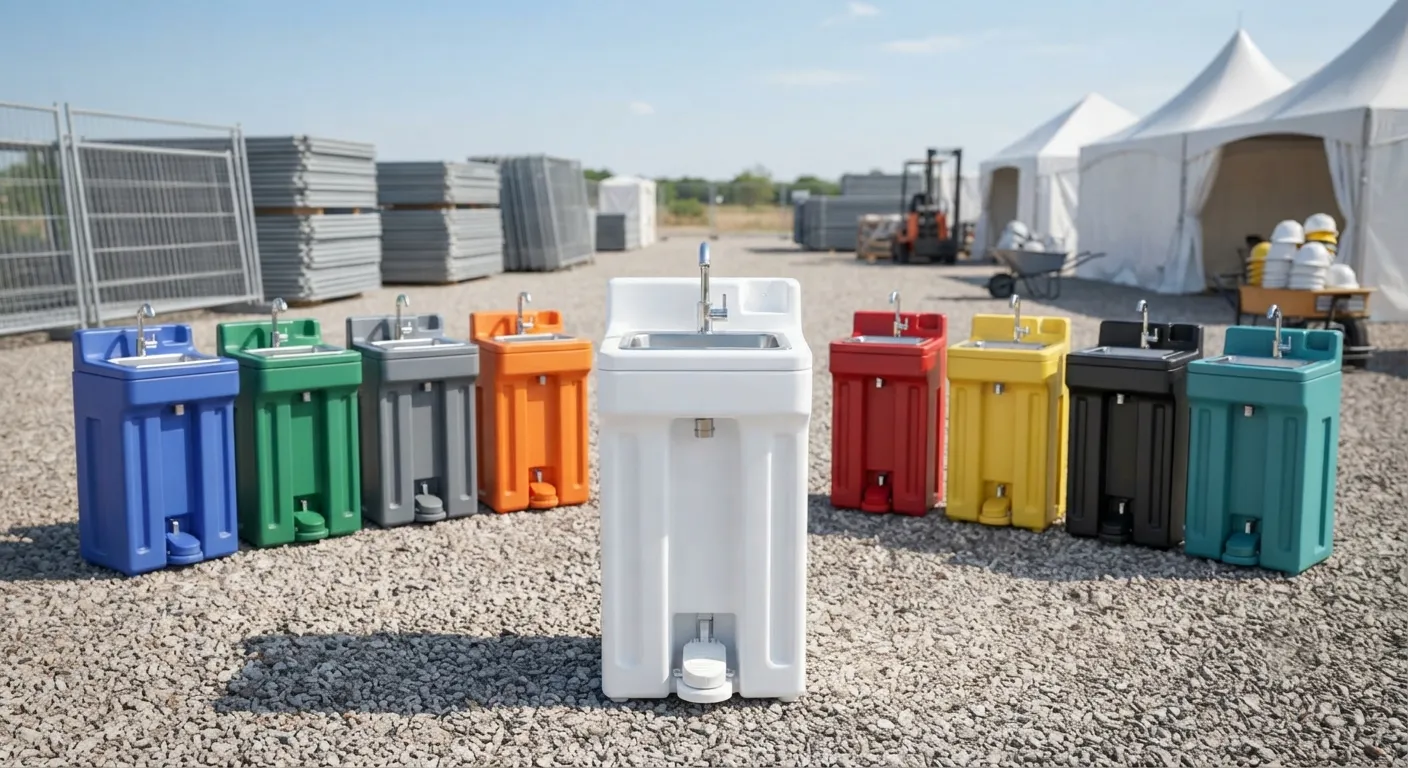
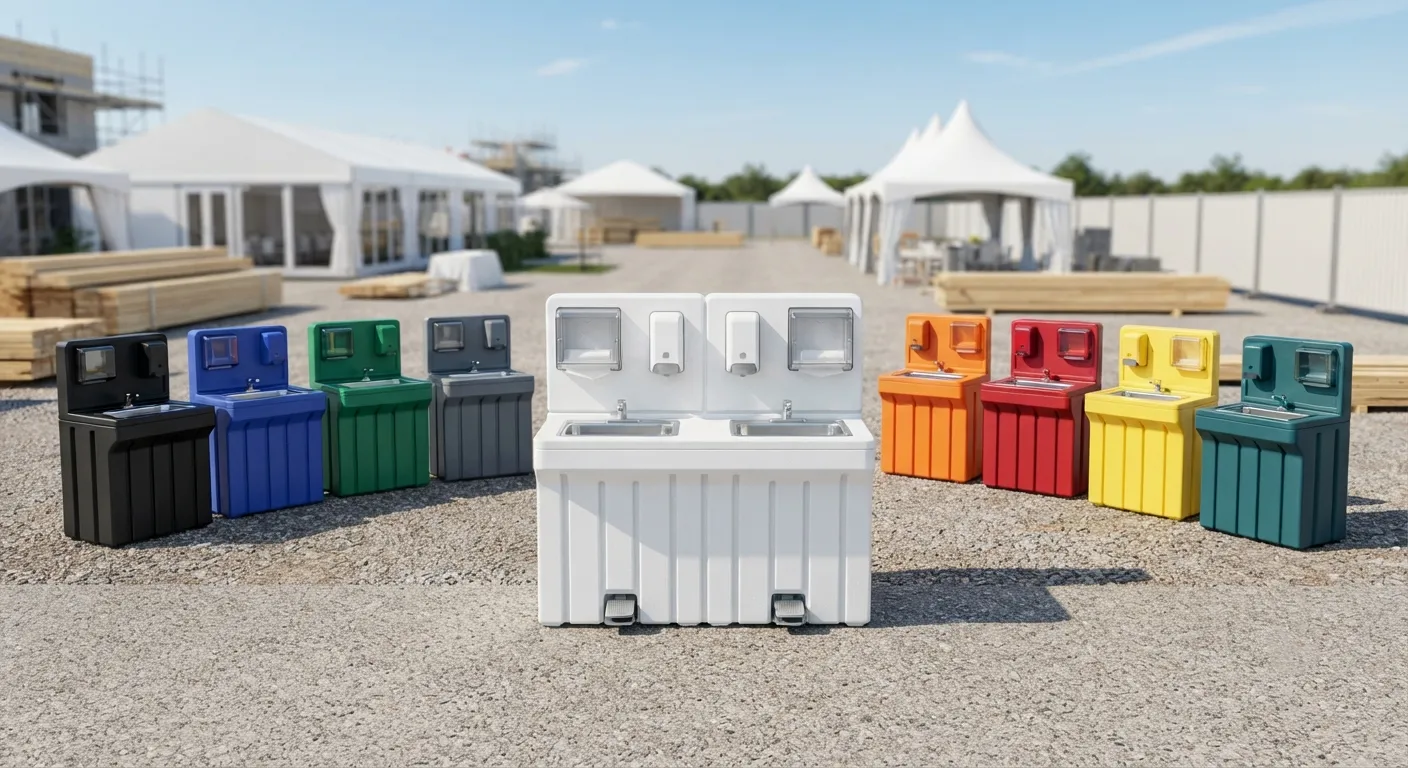
Service frequency is not one-size-fits-all. ANSI/PSAI Z4.3 sets a baseline of one service visit per week for up to 10 users over a 40 hour week, but heavy-use events need more. OSHA 1926.51(a)(1) requires an adequate supply of potable water at every worksite, and general industry sites fall under 1910.141(c)(1)(i) for toilet ratios instead of the construction rule. If your crew is applying paint, coatings, herbicides or insecticides, OSHA 1926.51(f)(1) requires washing facilities for that specific work, and 29 CFR 1910.141(d)(2) requires soap and towels or a hand-drying device at any washing station, since hand sanitizer alone does not satisfy it. Pair your toilet order with a handwashing station rental or a portable sink rental to cover that. For pricing across daily, weekly and monthly terms, see porta potty rental cost, and for month-long jobs check monthly porta potty rental.
| unit | day | week | month |
|---|---|---|---|
| standard | $100-$350 | $130-$500 | $125-$325 |
| ada | $200-$400 | $200-$240 | n/a |
| deluxe | $85-$1200 | $150-$290 | n/a |
How far in advance should I book?
Book as soon as you know your dates, especially for weekends when demand spikes. Eau Claire sites near Altoona, 5.1 miles southeast, or Chippewa Falls, 11.1 miles northeast, often share trucks on the same route, so early booking secures your delivery window.
Does the price include delivery?
Not always. Delivery fees run separately from unit rental, and most sites in Eau Claire quote them by the day, week or month depending on job length. Ask when you request your quote.
Can I move the unit once it is placed?
Not without a second trip. Confirm your final layout, including clearance for the 60 foot service truck approach, before delivery day to avoid a relocation charge.
What if my event is outside Eau Claire?
Coverage extends to nearby towns including Seymour, 3.5 miles east, and Lake Hallie, 8.1 miles northeast. Check service areas for the full list before booking.
Do I need an ADA unit even for a small event?
Yes, if you have clustered single-user units. ADA Standards 213.2 requires at least one accessible unit regardless of total headcount, so small guest lists are not exempt.
Next step
Get a delivery date
Tell us the address, the dates and the headcount. We size the order and confirm the route.